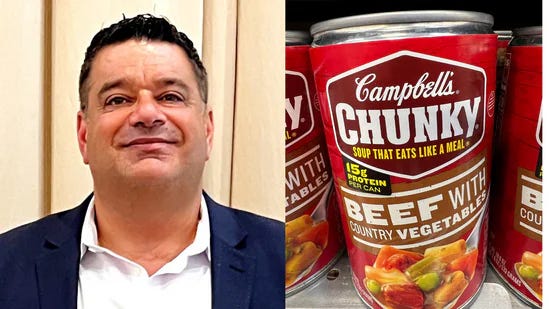
Campbell’s Exec Rant Reminds Us Why Black Consumers Hold the Real Power

Every few months, America gets a fresh reminder that some corporate leaders still haven’t figured out who keeps their lights on. This week, that reminder came courtesy of a Campbell’s Soup executive whose dismissive, condescending rant spread across the internet faster than a microwaveable cup of chicken noodle. His comments weren’t just out of pocket—they were a window into a corporate mindset that too often overlooks the people who actually buy and use their products.
The issue wasn’t only what he said, but how he said it. The tone carried that familiar blend of elitism and disconnect, the kind that comes from people who spend too much time in boardrooms and not enough time among the communities they claim to serve. And for Black consumers, who represent billions of dollars in spending power each year, the sting hits differently. We know all too well how companies turn to us for flavor, culture, and profit… while too many decision-makers still talk down like we’re a footnote.
But here’s where the story takes a turn. The community didn’t stay silent. Social media lit up instantly—Chicagoans, creatives, families, foodies, and folks across the country deconstructing the rant, correcting false narratives, and reminding the world that corporate power is not absolute. In 2025, the people stir the pot. And the pot talks back.
For Black Chicago Eats, moments like this highlight a bigger truth: our strength has never come from large corporations validating us. It comes from us supporting each other. Right here in Chicago, Black-owned restaurants are doing what Campbell’s seems to have forgotten—feeding people with respect, intention, and genuine care. Our chefs don’t just open their doors; they open their hearts. They serve meals that reflect history, struggle, joy, survival, and creativity.
When corporate executives slip and show their hand, it reinforces why platforms like ours exist. We don’t just amplify restaurants—we amplify dignity, self-determination, and community power. We remind our people that we don’t have to beg for respect from companies that don’t understand us. We can build our own tables, cook our own meals, and invest our dollars where the love is real.
This Campbell’s moment isn’t just about one executive having a bad day. It’s a case study in who has the real influence. And as long as Black Chicago continues to eat together, stand together, and support our own, the message is clear:
We don’t just consume culture. We create it. And we’ll decide who deserves a place in our kitchen.